Wave interference pattern generator
Patterns made of waves that overlap. Choose a moiré, a Chladni figure or a quasicrystal, set how many lines or modes there are and how thick the bands are, and export a seamless pattern as SVG, PNG or CSS.
Open in the generator How it works
Where waves meet
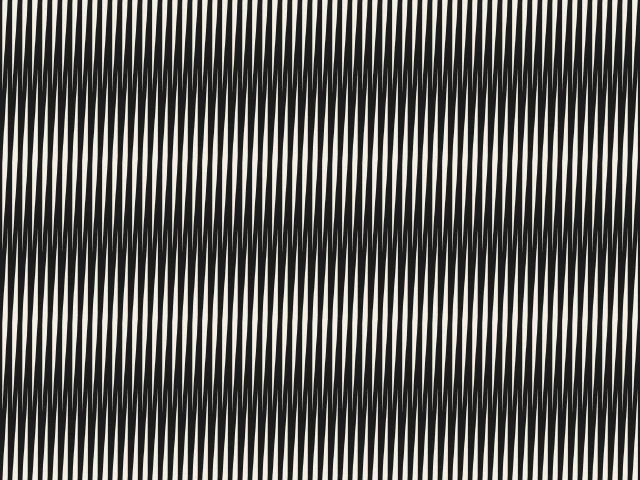
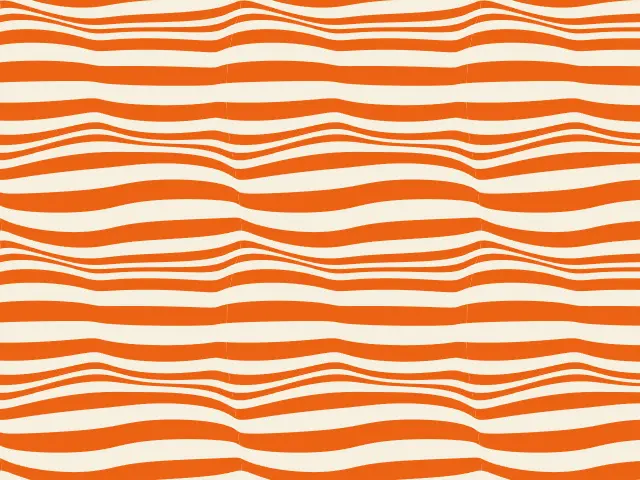
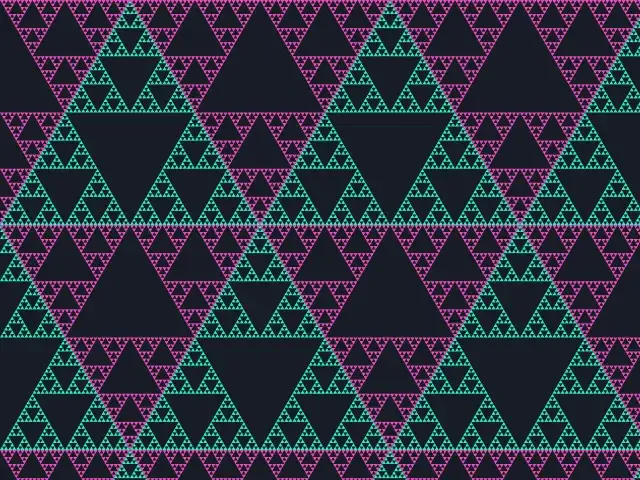
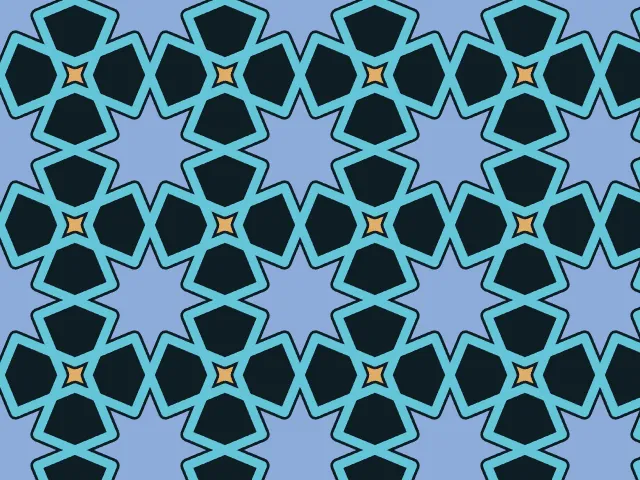
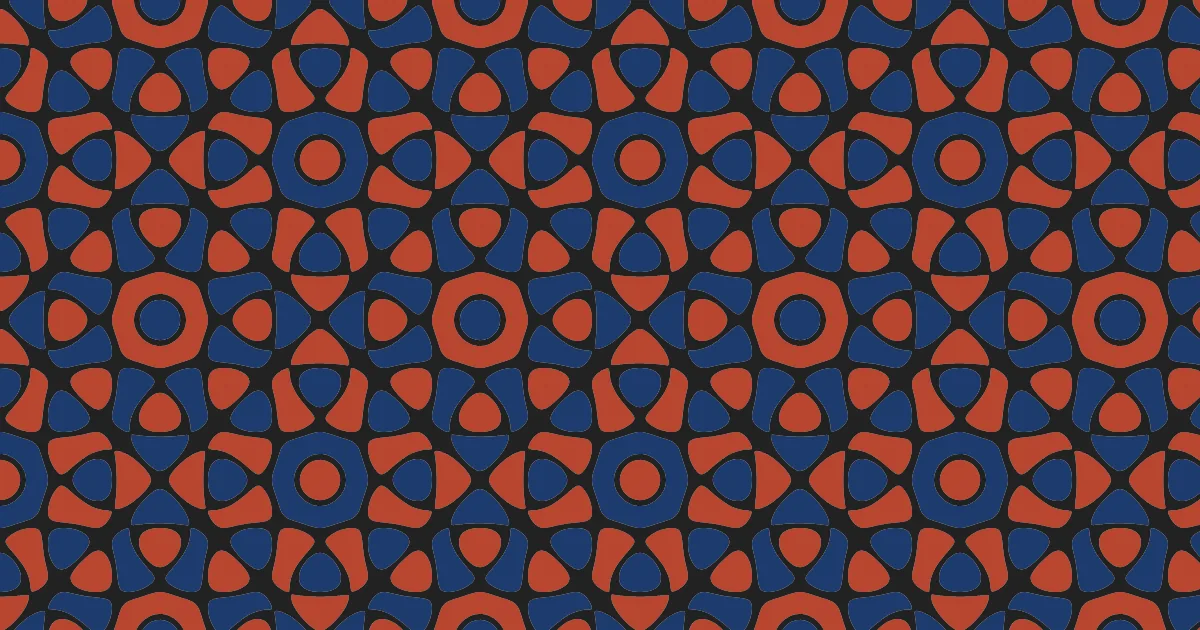
When two regular patterns lie one over the other, a third pattern appears that neither contains. This is moiré, the shimmering watered look of silk and the beats of a pair of fine screens. Sand scattered on a vibrating metal plate gathers along the lines that stay still, and draws the Chladni figures that Ernst Chladni showed in the 1780s. Add up waves pointing in five, seven or eight directions and you get a quasicrystal, a pattern of tight local order that never repeats exactly, which is the picture behind quasicrystals in physics.
All of these come from adding waves, so they share a look of smooth curved cells.
How the generator builds them
The generator sums cosine waves on a grid and cuts the result at a few levels, so every pattern is a set of flat regions that exports as clean shapes. The waves use whole-number wave vectors, which is what makes the tile wrap around and repeat exactly.
Moiré draws two gratings of lines, the second one tilted, and the beat between them shows up as long waves. Chladni mixes two modes of a square plate. The quasicrystal adds waves at equal angles; with whole-number vectors the five-, seven- and eight-fold symmetries are close approximations, and the pattern still repeats exactly.
What you can adjust
- Waves — moiré, Chladni or quasicrystal.
- Lines and tilt — for moiré, how many lines and how far the second grating turns.
- Mode, first and mode, second — for Chladni, the two vibration modes.
- Wave length and symmetry — for the quasicrystal, five, seven, eight or twelve directions.
- Line thickness or band width — how much of the wave is filled.
- Colors — a ground and up to three tints; any palette.
Export and use
Download the seamless tile as PNG or SVG, or copy a ready CSS background. The patterns you create are free to use, personally or commercially.